Wi-Fi extenders are devices designed to boost your internet connectivity by amplifying the original signal from your router. Whether for home or business, these devices can enhance connectivity in areas with weak signal strength, providing seamless access to the internet over larger spaces.
Top Features to Look for in a Wi-Fi Extender
When selecting the best Wi-Fi extender, consider key features such as coverage area, speed ratings, and connectivity options. Look for extenders with dual-band technology, as they can broadcast both 2.4 GHz and 5 GHz signals, ensuring faster speeds and less interference. Additionally, consider models that feature Ethernet ports for direct device connections, which can improve performance.
Best Wi-Fi Extenders on the Market
Some of the best Wi-Fi extenders available today include models from reputable brands like Netgear, TP-Link, and Linksys. The Netgear Nighthawk EX8000 stands out for its robust performance in larger spaces, while the TP-Link RE650 is known for its ease of setup and solid range. These options cater to different needs and budgets, making it easier to find an extender that suits your requirements.
In conclusion, investing in a high-quality Wi-Fi extender can drastically improve your connectivity experience. Whether for personal or business use, making an informed choice based on detailed features and established brands ensures effective and reliable internet access throughout your space.
In a spectacular showdown, Morocco has officially declared the champions of the Africa Cup of Nations (AFCON) 2026. This victory is not merely a title; it marks a significant achievement in the annals of Moroccan football history. The team showcased exceptional skill and determination throughout the tournament, culminating in a final match that thrilled fans across the continent.
A Journey to Remember
The journey to the championship was filled with challenges, but Morocco demonstrated resilience and strategic prowess that set them apart from the competition. From their impressive group stage performances to nail-biting knockout rounds, the Moroccan players proved their mettle against formidable opponents. Each match demonstrated their commitment and passion for the sport.
The Celebration of a Footballing Nation
As the final whistle blew, the celebrations erupted not only in the stadium but across the entire nation. Moroccan fans flooded the streets in jubilation, reflecting the pride and unity that football brings to the country. This title conqueror stands as a testament to Morocco’s growing stature in international football and promises a bright future ahead.
With this historic win in AFCON 2026, Morocco firmly establishes its place in the world of football, fostering hope for aspiring athletes and fans alike. The journey does not end here, as they look ahead to upcoming tournaments, building on the success achieved in this championship.
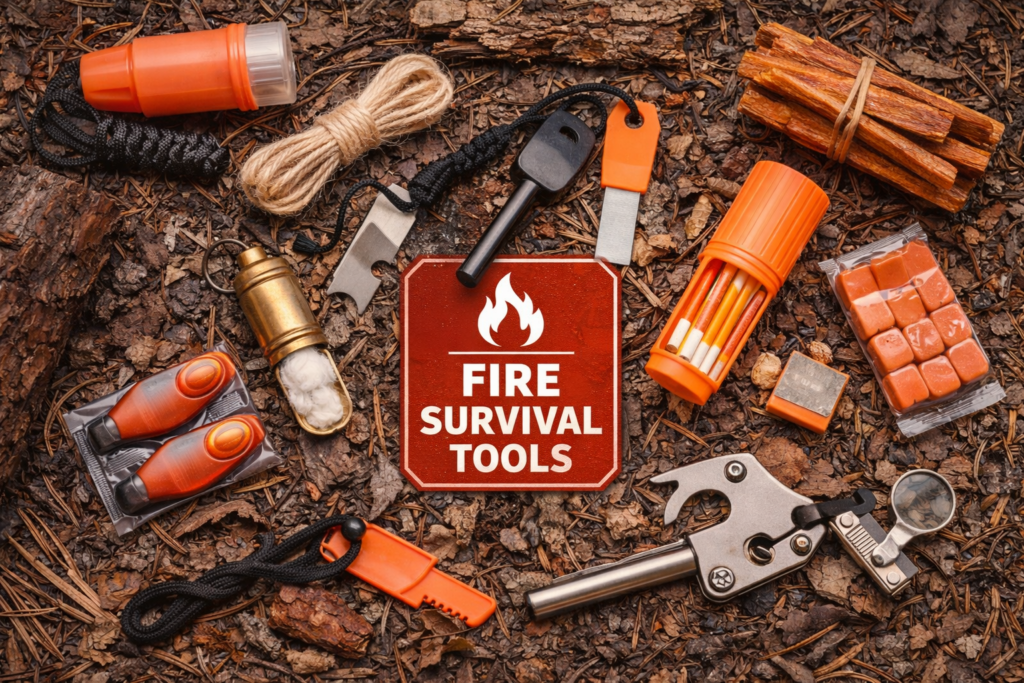
When it comes to outdoor adventures, especially hiking or backwoods exploration, having the right survival tools can make all the difference. One essential piece of gear is a metal match. Unlike traditional matches, a metal match is durable, weather-resistant, and can create a reliable spark in various conditions, which is critical for starting a fire.
Key Features of the Best Metal Match Tools
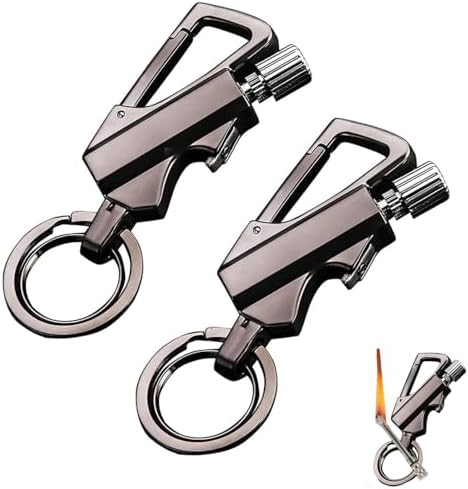
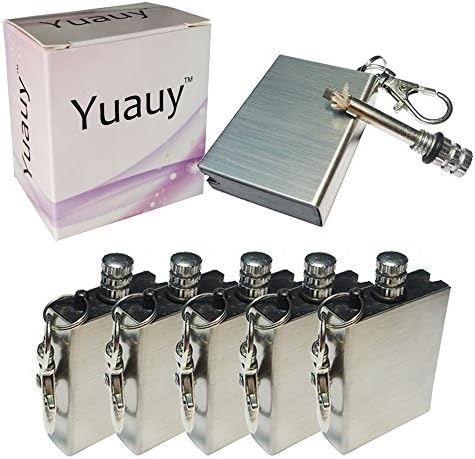
The best metal match survival tool is typically lightweight and compact, making it easy to carry in your backpack or pocket. Look for tools made from materials like magnesium or ferrocerium, as these will provide you with thousands of ignitions, depending on how well you maintain and use them. Easy-to-grip handles and built-in lanyards can also enhance usability, especially in challenging situations.
Using a metal match requires some technique. First, gather dry tinder, such as leaves, small twigs, or commercial fire starters. Hold the metal match against the tinder and scrape the metal rod with a hard surface like steel or knife blade to produce sparks. Aim to direct the sparks into the tinder for ignition. Practice this method before your adventure to ensure you’re prepared when it counts.
In conclusion, having the best metal match survival tool increases your readiness for unexpected scenarios while hiking or exploring backwoods. It’s a small investment that can lead to significant safety benefits.
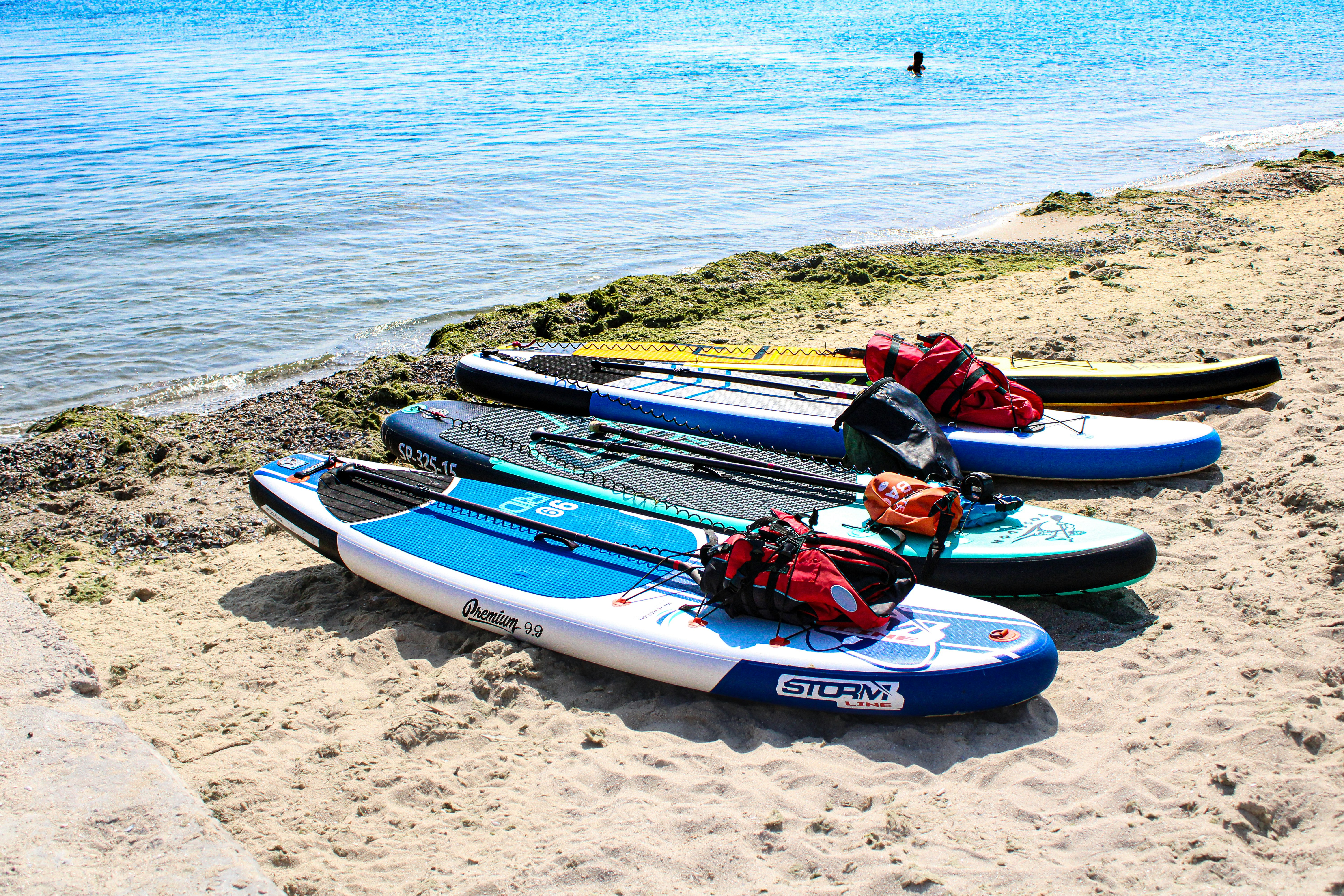
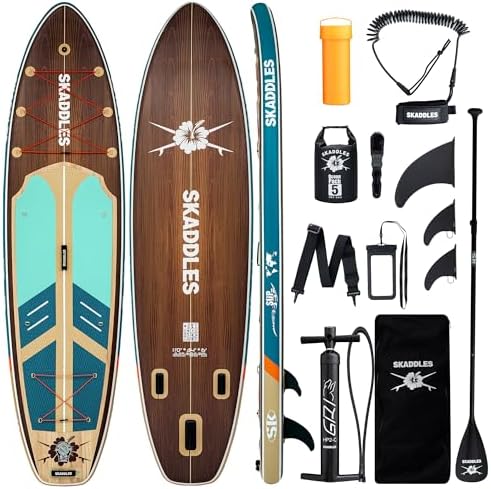
When embarking on a paddle boarding adventure, selecting the right type of paddle board is essential to ensure both safety and enjoyment. Paddle boards come in various styles, primarily categorized into three types: all-around, touring, and inflatable boards. Each type serves different purposes and caters to varying skill levels, making it crucial to choose the right option based on your specific needs.
All-around boards are incredibly versatile, suitable for beginners as well as experienced paddlers. They typically offer a balanced shape that provides stability and maneuverability, ideal for casual paddling on lakes or gentle rivers. If you plan to incorporate activities such as yoga or fishing into your paddle boarding sessions, an all-around board may be the perfect choice.
Touring boards, on the other hand, are designed for longer distances and are optimized for speed and tracking. They usually feature a narrower design to enhance glide efficiency in open water, making them ideal for those who are comfortable in various water conditions and looking to explore farther. Before choosing a touring board, it is important to consider factors such as your weight and paddling skill, as these factors influence the board’s performance.
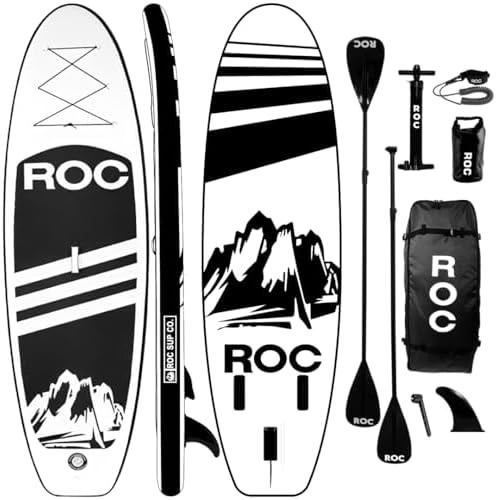
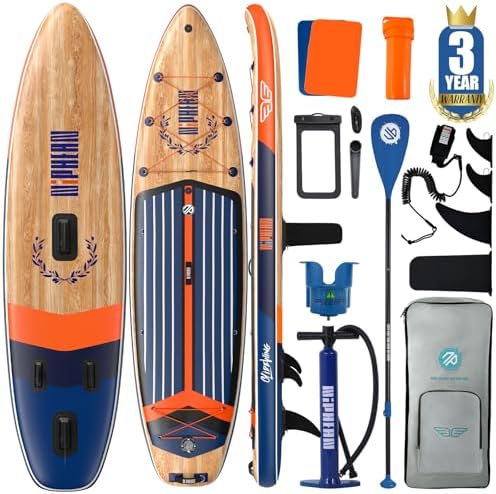
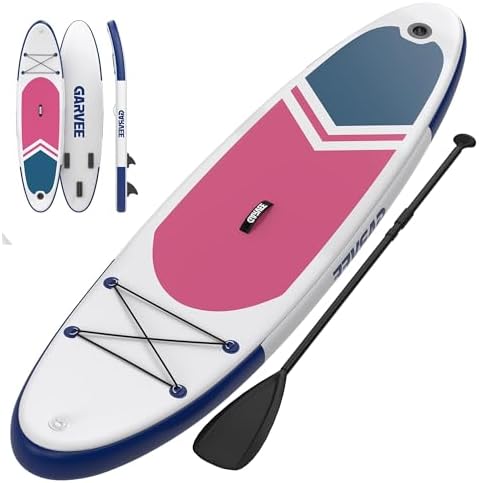
Inflatable boards offer the advantage of portability and ease of storage. Made from durable materials, they can be inflated before use and deflated for transport. Inflatable paddle boards are particularly beneficial for those with limited storage space or those who travel frequently. When considering an inflatable option, assess its construction quality as well as weight capacity to ensure it aligns with your paddling ambitions.
In addition to the type of board, essential features such as stability, weight capacity, and materials should not be overlooked. A stable board will provide a comfortable paddling experience, while selecting a board that matches your weight is vital for safe use. Ultimately, understanding the different paddle board types and their features will empower you to make an informed decision tailored to your specific paddle boarding adventure.
The Importance of an Adjustable Paddle
Paddle boarding, an exhilarating water sport, is made more enjoyable with the right equipment, particularly an adjustable paddle. An adjustable paddle allows paddle boarders to customize the length according to their height and paddling style, which can significantly enhance performance and comfort on the water. A properly sized paddle not only improves stroke efficiency but also helps in maintaining balance and control while navigating different water conditions.
For instance, a shorter paddle might be preferable for individuals who are sitting or using a lower paddling style, while a longer paddle can assist those who prefer a more upright stance. This adaptability caters to various paddlers’ preferences, making it an essential feature in a paddle. Furthermore, an adjustable paddle can be shared among multiple users of differing heights, which is particularly advantageous for families or groups who frequently engage in paddle boarding together.
When selecting an adjustable paddle, it’s crucial to consider the weight and materials used in its construction. Lightweight paddles made from materials like carbon fiber or fiberglass are favorable for reducing arm fatigue during longer paddling sessions. While plastic and aluminum paddles are more durable and cost-effective, they may not provide the same level of performance and comfort. Additionally, a well-constructed paddle should have a sturdy locking mechanism that allows for seamless adjustments while ensuring stability during use. By choosing a high-quality, adjustable paddle, paddle boarders can optimize their experience, making their adventures both safe and enjoyable.
Safety Gear: Personal Flotation Devices and Leashes
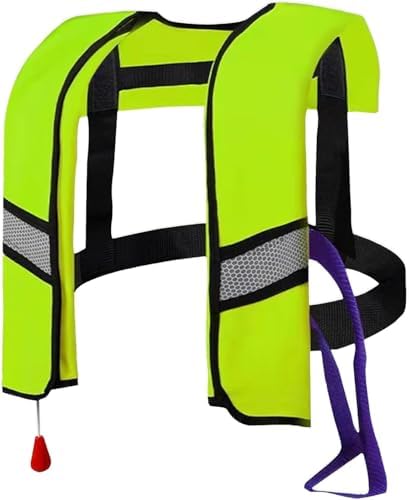
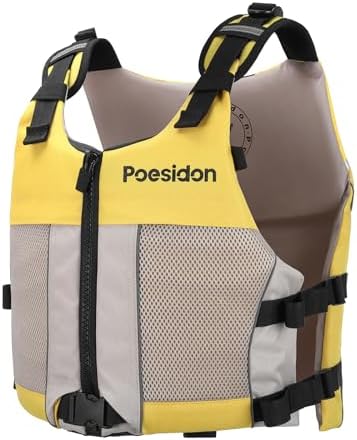
When engaging in paddle boarding, safety gear is not just an accessory, but a vital component for ensuring a secure and enjoyable experience. Among the essential safety items, personal flotation devices (PFDs) play a critical role. A PFD may be a life jacket, vest, or floatation belt specifically designed to keep the wearer buoyant in the water. While selecting a PFD, it is important to choose one that suits the type of paddle boarding you are undertaking—whether it be recreational, racing, or touring—as well as the specific water conditions. For calmer waters, a low-profile PFD might be adequate, while turbulent conditions require a more robust option.
There are several types of PFDs available, including inherently buoyant ones that use foam and inflatable models activated by a manual or automatic trigger. For paddle boarding, many individuals opt for inflatable PFDs due to their lightweight design and ease of wear. Ensuring that the PFD fits correctly is crucial, as a poorly fitting device may not provide adequate protection in the event of an emergency.
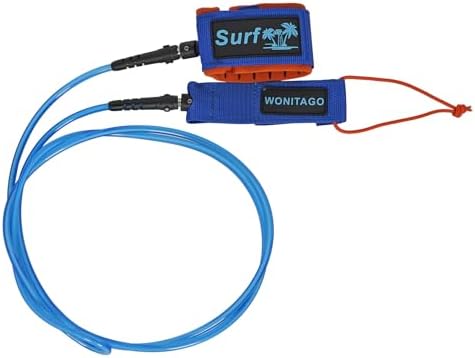
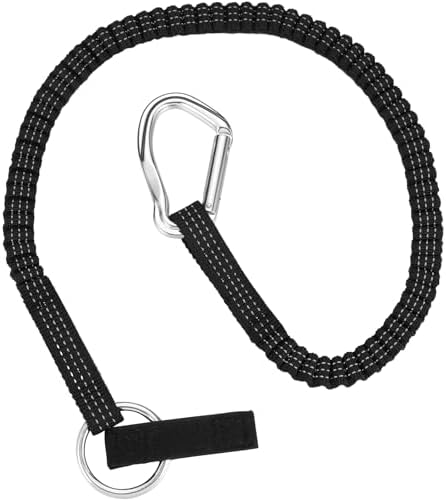
In addition to personal flotation devices, a leash is another indispensable safety item when paddle boarding. A paddle board leash connects the board to the rider, preventing the board from drifting away in the event of a fall. This is particularly important in open water where waves and currents may quickly carry the board out of reach. There are various types of leashes available, such as coiled leashes for flat water or straight leashes for surf conditions. When choosing a leash, consider the paddle boarding environment and select one that can withstand the conditions encountered.
In summary, utilizing a personal flotation device and a secure leash significantly enhances paddle boarding safety. Familiarizing yourself with the various options available can ensure a thrilling experience without compromising safety.
Additional Accessories for Comfort and Protection
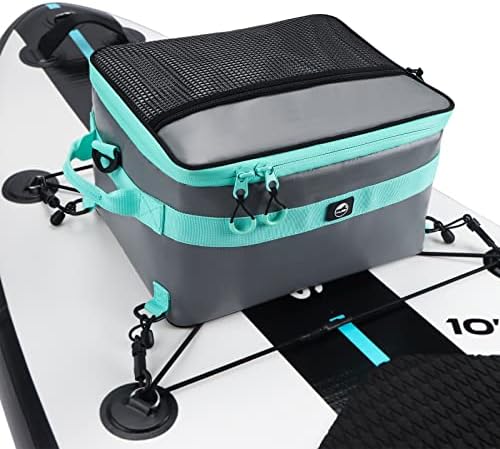
Paddle boarding can be an immensely enjoyable activity, but to ensure a pleasant experience, incorporating additional accessories is essential. One of the most useful items are waterproof bags designed for gear storage. These bags allow paddle boarders to keep personal belongings, such as phones, wallets, and clothing, dry and secure during the outing. Investing in quality waterproof bags will prevent damage from splashes and accidental falls into the water, ensuring that valuable items remain protected.
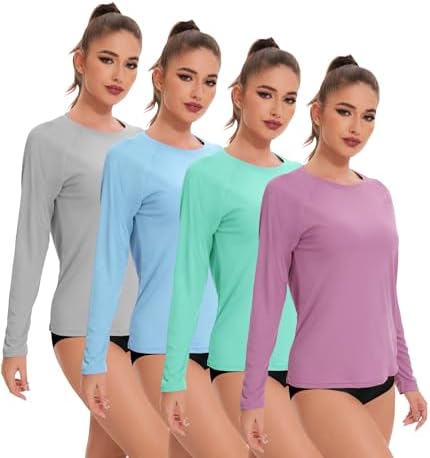
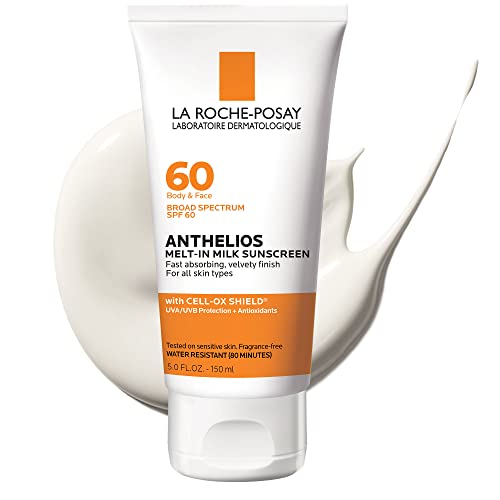
Sun protection is another vital consideration while engaging in paddle boarding. Prolonged exposure to sunlight can lead to sunburn and dehydration. It is advisable for paddle boarders to equip themselves with sun protection gear, such as a wide-brimmed hat and UV-resistant clothing. Furthermore, regularly applying broad-spectrum sunscreen with a high SPF is crucial. Choosing a water-resistant sunscreen that provides lasting protection will enhance comfort on the water and minimize the risk of sun-related health issues.
Safety accessories also play a significant role in ensuring a secure paddle boarding experience. Emergency whistles are recommended as they are lightweight, compact, and can effectively signal for help in the event of an emergency. Carrying a whistle ensures that paddle boarders can alert others or communicate with fellow paddlers in distressing situations. Additionally, having a basic first aid kit on hand can contribute greatly to addressing minor injuries or accidents that may occur while out on the water.
In summary, carefully selecting additional accessories such as waterproof bags, sun protection gear, and safety items significantly enhances the paddle boarding experience. These items not only contribute to comfort but also promote safety, allowing paddle boarders to enjoy their adventures with greater peace of mind.
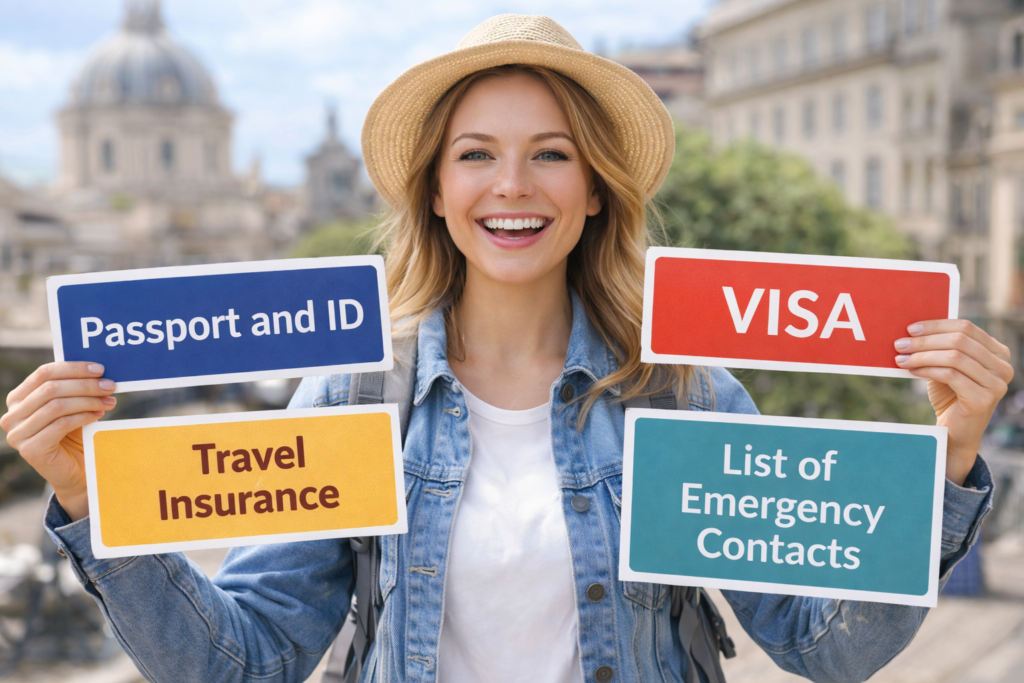
When embarking on a journey to Europe, ensuring that you have the necessary travel documents is paramount for a smooth experience. The most critical document is your passport, which should be valid for at least six months beyond your intended date of return. It is advisable to check the expiration date prior to your trip, as passport renewal can take significant time, especially during peak travel seasons.
In addition to a passport, some travelers may require a visa depending on their nationality and the countries they plan to visit. Schengen Area countries typically allow short stays for citizens of many nations without a visa, but those who do require one must apply in advance to avoid complications. Each European country may have different entry requirements, so it is essential to research the specific regulations associated with your destination.
Moreover, obtaining travel insurance is highly recommended. This form of insurance provides coverage for potential medical emergencies, trip cancellations, or loss of luggage, ensuring peace of mind throughout your journey. Review various policies to find one that suits your itinerary and personal needs.
Additionally, consider carrying forms of identification other than your passport, such as a driver’s license or a copy of your birth certificate, as some establishments may request secondary identification. To further protect your important documents, utilize secure storage options. A travel organizer or a locked pouch can be especially advantageous in safeguarding your passport, visa, and insurance papers. It is wise to keep a digital copy of your documents stored in a secure cloud service or accessible via email, facilitating quick recovery in case of loss or theft.
Packing Smart: Clothing and Accessories
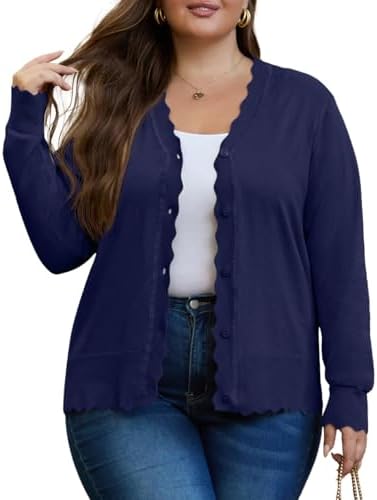
Packing efficiently for a trip to Europe is essential, especially given the continent’s diverse climates and dress codes. To ensure you are prepared for various conditions, it is advisable to pack versatile clothing that can be layered. This approach not only maximizes comfort but also extends the functionality of your wardrobe. For example, a light sweater or cardigan can serve as an additional layer during cooler evenings or when visiting air-conditioned venues.
When considering clothing, opt for items that offer easy mixing and matching. Neutral colors tend to work best, as they can be easily coordinated with each other, allowing for multiple outfits without overpacking. It may be beneficial to incorporate a couple of statement pieces to add flair to your outfits without taking up much space in your luggage.
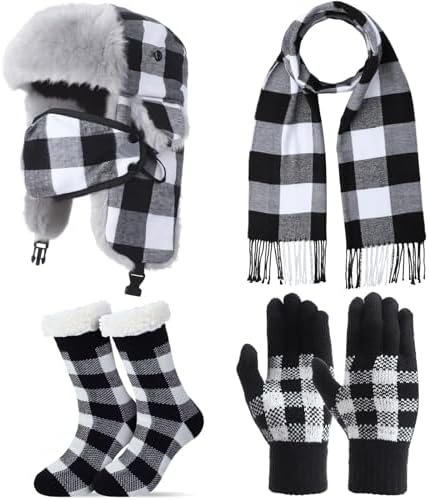
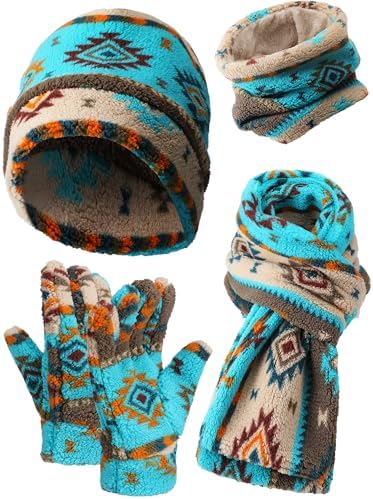
Accessories play a crucial role in enhancing comfort and style. Scarves, for instance, can be invaluable not just for warmth but also as a fashion statement. A well-chosen scarf can transform a simple outfit into something elegant. Hats can provide protection from the sun or serve as an excellent way to keep warm in colder weather. Additionally, it is wise to carry a compact umbrella or a raincoat, particularly if traveling in the spring or fall, as sudden rain showers are common in many European cities.
Seasonal packing tips are also vital. In summer, breathable fabrics and comfortable shoes are essential for exploring the sights without discomfort. If traveling in winter, prioritize thermal wear and insulated outerwear. Smart packing will prepare you not only for variety in weather but also for different cultural settings, where dress codes may vary significantly. This flexibility will ensure that your journey through Europe is not only memorable but also stylish and comfortable.
Comfort is Key: Choosing the Right Footwear
When planning a trip to Europe, one of the most critical preparations involves selecting the right footwear. European cities are often designed for exploration on foot, which means that travelers can expect to spend significant amounts of time walking and standing. Therefore, prioritizing comfort in footwear is essential for an enjoyable experience.
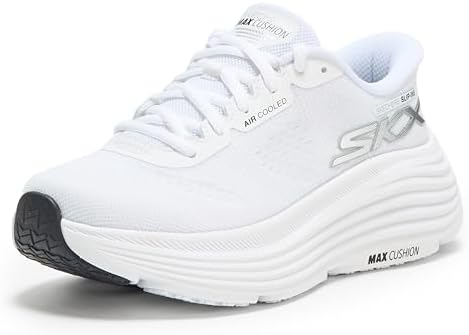
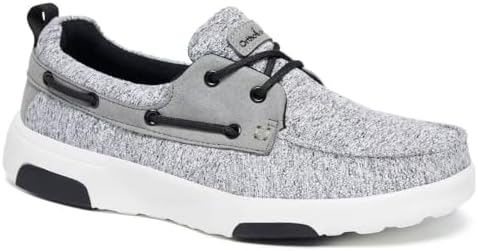
While planning your wardrobe, consider investing in high-quality walking shoes that combine both comfort and style. Look for shoes with cushioned insoles, arch support, and breathable materials to ensure maximum comfort throughout the day. Additionally, shoes that offer a good grip and stability are crucial, especially if you plan to visit cobblestone streets or uneven terrains commonly found in many historic European locations.
It is advisable to break in your chosen walking shoes before your trip. New shoes can cause discomfort and blisters, potentially spoiling your holiday experience. Start by wearing them during your daily activities, gradually increasing the duration to allow your feet to adjust. Consider wearing them for short walks or during errands to assess their comfort level. If you plan to alternate between various styles, ensure that all pairs are broken in to avoid issues during your travels.
In addition to traditional walking shoes, blend in your travels by considering chic alternatives such as stylish sneakers, loafers, or even comfortable sandals for warmer months. The key is to strike a balance between comfort and style, ensuring that you feel confident and at ease while exploring the beautiful cities and towns of Europe.
When planning a trip to Europe, ensuring your health and safety should be a foremost concern. One important step is to consult with your healthcare provider regarding necessary vaccinations. Certain countries in Europe may require vaccinations for specific diseases, and staying updated on general vaccines is advised. Additionally, travelers should assess their medical history to determine any personal health needs that could influence their trip.
In addition to vaccinations, it is crucial to secure comprehensive travel health insurance. This insurance should cover medical expenses abroad, including emergency medical services and evacuation if necessary. Researching various policies is vital since coverage can vary significantly between providers, ensuring that you select an option that best suits your travel plans.
Another essential health item is a basic first aid kit. This kit should include necessities such as antiseptics, band-aids, pain relief medication, and any personal prescriptions. Having access to these supplies can be crucial, especially in remote areas where medical facilities may not be readily available. Additionally, consider familiarizing yourself with the generic names of any medications you may need, as brand names can differ dramatically across countries.
Traveling can pose risks to one’s health, such as exposure to unfamiliar foods or changes in routine. Staying hydrated, maintaining a healthy diet, and engaging in regular exercise can be beneficial while abroad. Understanding local health guidelines, including food safety recommendations, is also essential to prevent potential health issues. Always have a strategy in place for accessing medical care if necessary, including knowing the location of nearby hospitals or clinics.
By taking these health and safety essentials into consideration, travelers can significantly reduce potential health risks during their European adventure, allowing them to focus on enjoying the sights and experiences that Europe has to offer.
Navigating Your Journey: Technology and Gadgets
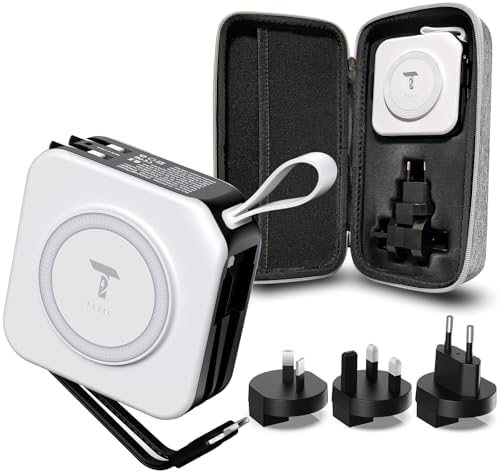
When planning a trip to Europe, leveraging technology can substantially enhance your travel experience. First and foremost, a universal power adapter is an essential gadget to bring along. With various plug types used across European countries, a universal power adapter will ensure that your devices remain charged and operational. It’s advisable to choose an adapter compatible with multiple formats, allowing you to power your electronics without interruption.
Another indispensable item is a portable charger. The hustle of exploring new cities can quickly drain your smartphone battery, particularly if you rely on your device for navigation or capturing memorable moments. A reliable portable charger can help you stay connected, providing additional power when you need it most. Look for chargers with high capacity that can charge multiple devices simultaneously, catering to different gadgets which tend to become essential during your journey.
Additionally, utilizing helpful travel apps can significantly improve organization and navigation during your trip. Applications such as Google Maps, Citymapper, or specific transportation apps for local metro systems can facilitate efficient navigation through a new city. These apps often provide real-time updates and can be downloaded for offline use to help conserve mobile data usage. Moreover, other applications for managing itineraries like TripIt or Airbnb are excellent for planning accommodations and activities. However, be mindful of data roaming charges while abroad. Opting for a local SIM card or using Wi-Fi hotspots for internet access when possible can help keep costs down.
In summary, integrating essential technology and travel gadgets into your European adventure not only ensures your devices remain functional but also enhances your capability to navigate and plan efficiently, ultimately leading to a more memorable experience.
Managing Money: Currency and Budgeting Tips
When planning a trip to Europe, understanding currency management and budgeting is crucial for making the most of your experience. Europe is home to a diverse range of currencies, with the Euro being the predominant currency used by many countries. Before traveling, it is essential to familiarize yourself with the local currency of your destination. Researching the current exchange rates will help you evaluate how much your money will be worth once you arrive.
One of the best strategies for managing your budget while traveling is to create a daily spending plan. This involves estimating your daily expenses, including accommodation, meals, transportation, and activities. By allocating a specific amount of money for each category, you can monitor your spending and avoid overspending. Utilize budgeting apps or spreadsheets to track your expenses in real time, allowing for adjustments as necessary during your trip.
When it comes to handling money abroad, it is generally advisable to rely less on cash and embrace the use of credit cards. However, be mindful of the cards you choose to take. Look for travel-friendly banks that offer low or no foreign transaction fees. Additionally, inform your bank about your travel plans to prevent any unexpected holds on your account. Using credit cards to pay for purchases can also provide an exchange rate that might be more favorable than exchanging cash at currency exchange offices, where hidden fees are often prevalent.
To maximize your budget, consider exploring options like public transportation, which is often more affordable than taxis or rental cars. Furthermore, seek out local dining spots or markets to experience authentic cuisine without breaking the bank. By being mindful of your spending and making informed financial decisions, you can enjoy a rich and fulfilling travel experience throughout Europe.
Must-Have Travel Accessories
When planning a trip to Europe, investing in essential travel accessories can greatly enhance your travel experience. Each item serves a specific purpose aimed at maximizing convenience and comfort during your journey.
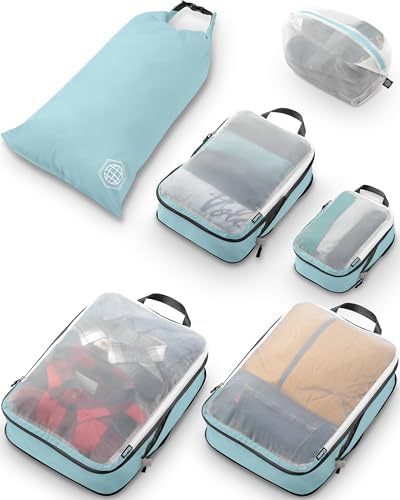
First on the list are packing cubes. These handy organizers allow travelers to compartmentalize their belongings, making it easier to find items without rummaging through a suitcase. By categorizing clothing and accessories, packing cubes not only save time but also keep your luggage tidy, which is especially beneficial when making multiple stops along your itinerary.
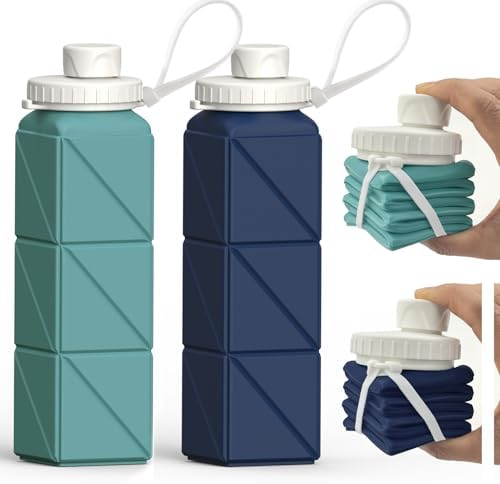
Another essential accessory is a reusable water bottle. Staying hydrated while exploring new cities is crucial, more so during busy travel days. A durable, insulated water bottle helps maintain your beverage’s temperature while also reducing reliance on single-use plastic bottles, making it an environmentally friendly choice. Many models are designed to fit into standard cup holders, ensuring that hydration is readily accessible during long excursions.
Travel organizers are also vital for tech-savvy travelers. These accessories help keep devices, chargers, and cables neatly arranged. By organizing electronics, you can minimize frustration and ensure that everything is easily accessible when needed. Some organizers even come with extra padding to protect valuable items from damage, emphasizing the importance of safeguarding your belongings.
Additionally, a portable charger is a must-have for anyone relying on electronics for navigation or communication. Finding power while on the go can be challenging, and having a portable charger allows you to keep devices powered without interruptions, offering peace of mind throughout your adventure.
Lastly, consider packing a lightweight travel pillow. Long journeys—whether by plane, train, or bus—can lead to discomfort. A compact travel pillow provides necessary support for your neck, enabling you to arrive at your destination feeling more refreshed.
Cultural Awareness and Language Tips
When planning a trip to Europe, cultural awareness is paramount to ensure a rewarding travel experience. Europe is a mosaic of diverse cultures, languages, and customs. Understanding these differences fosters respect and enhances interactions with locals. Each country has its unique customs and social norms, which travelers should familiarize themselves with beforehand.
One essential aspect of cultural awareness is recognizing local customs. For instance, in countries like Italy and Spain, greetings usually involve a light kiss on the cheek, while in the UK, a firm handshake is often the norm. Additionally, dining etiquette varies; in France, it is customary to keep both hands on the table (but not elbows), whereas in some Nordic countries, it might be considered polite to keep hands off the table while eating. Being mindful of such nuances can significantly enhance your travel experience.
Learning a few basic phrases in the local language can further enrich your journey. Simple greetings, such as “Bonjour” in France or “Grazie” in Italy, show respect for the local culture and often lead to more meaningful interactions. Consider phrases like “Do you speak English?” which translates to “Parlez-vous anglais?” in French or “Parla inglese?” in Italian. Having these phrases at your disposal can facilitate easier communication and help establish rapport with locals.
Moreover, some general etiquette tips include being punctual for social gatherings, tipping customs (which can greatly vary), and understanding the importance of local traditions. For example, in Germany, punctuality is regarded as a sign of respect, whereas in Mediterranean countries, a more relaxed approach to time is typical. Engaging with local customs, respecting different approaches to social interactions, and showing appreciation for the local language enriches your travel experience in Europe.
Creating a Flexible Itinerary
When planning a trip to Europe, one of the most critical aspects is creating a flexible itinerary that balances structured sightseeing with opportunities for spontaneity. A well-thought-out itinerary includes all the key attractions and experiences you wish to enjoy while allowing time for unplanned adventures and relaxation.
Begin by identifying your must-see landmarks, cultural sites, and activities in every city on your list. This creates a foundation for your itinerary. However, instead of packing your schedule tightly, leave gaps for leisure and exploration. For instance, after a day of visiting museums, consider allocating a couple of hours to wander through local markets or relax in a nearby cafe. This not only enriches your travel experience but also allows you to discover hidden gems that may not be included in typical tourist guides.
Additionally, consider utilizing various tools such as travel apps and local event calendars. These resources can highlight spontaneous events, such as street festivals or pop-up markets that could be the highlight of your trip. Furthermore, having a flexible plan is particularly beneficial in managing unpredictable factors like weather changes or unanticipated closures of attractions.
It’s equally important to balance your itinerary with downtime, especially on longer trips where fatigue can set in quickly. Incorporate rest days or lighter sightseeing days where you can recharge. This balance ensures that your trip remains enjoyable and allows you to appreciate the local culture fully without feeling rushed.
In summary, a flexible itinerary strikes a balance between organized planning and the magic of spontaneity, giving travelers the opportunity to immerse themselves fully in the rich diversity of Europe while ensuring that the key sights and activities are not overlooked.
Iceland is renowned for its stunning landscapes, but the country’s weather is equally famous for its unpredictability. Travelers planning an adventure in this Nordic island should be well informed about the various atmospheric conditions they might encounter. The distinct seasons in Iceland significantly influence the climate, often resulting in swift and dramatic shifts.
During winter, from late November to March, temperatures typically hover around freezing, with averages between -1°C to 4°C (30°F to 39°F). This period is characterized by icy winds, significant snowfall, and limited daylight. Travelers must prepare for the possibility of blizzards and frost, which can affect transportation and outdoor activities.
In contrast, summer months, from June to August, bring relatively mild weather with temperatures ranging from 10°C to 15°C (50°F to 59°F). However, even during summer, Icelandic weather can be volatile—rain showers can occur suddenly, and it is not unusual to experience all four seasons in a single day.
The geographical features of Iceland contribute to these weather variations. Proximity to the North Atlantic Ocean means that maritime influences can lead to sudden storms and rapid atmospheric changes. Regions like the south coast tend to be wetter, while the north often experiences drier weather. Travelers should be especially mindful of the well-known Icelandic saying, “If you don’t like the weather, wait five minutes.”
Adapting to changing conditions is key when visiting Iceland. Packing a diverse range of clothing layers and waterproof gear is essential to remain comfortable during your stay. Acknowledging the unpredictable nature of Icelandic weather allows visitors to fully appreciate the natural beauty and unique experiences the country has to offer.
Layering Essentials: The Key to Staying Comfortable
When preparing for an adventure in Iceland, understanding the layering system is crucial for ensuring comfort in the country’s unpredictable weather. Layering involves wearing multiple garments that serve specific purposes, allowing you to adjust according to environmental changes.
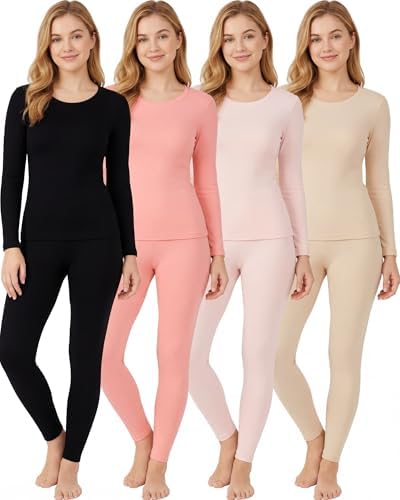
The first component of an effective layering strategy is the base layer, which is essential for moisture management. Fabrics such as merino wool or synthetic materials like polyester are ideal, as they effectively wick sweat away from the skin, keeping you dry and warm. Base layers typically include thermal tops and bottoms that fit snugly against the body, providing a solid foundation for your clothing.
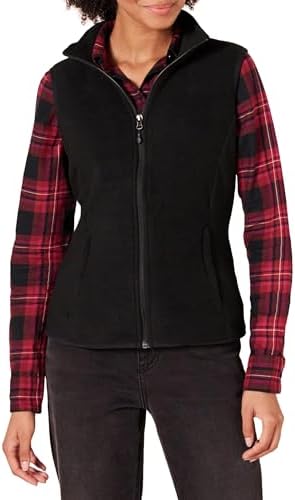
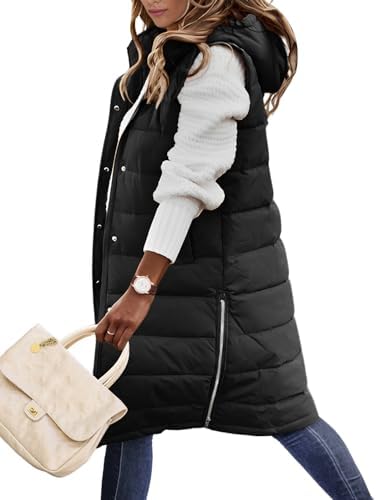
The second layer focuses on insulation, which is key for retaining body heat in colder temperatures. Fleece jackets or down vests are excellent choices, as they trap warmth while remaining lightweight and breathable. Depending on your activity level and the outdoor conditions, you may opt for thicker or thinner insulating layers. It’s beneficial to select pieces that can be easily added or removed as needed.
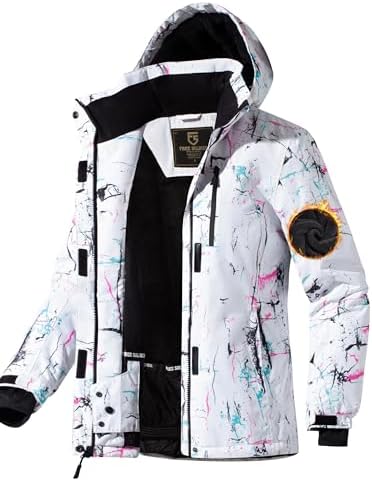
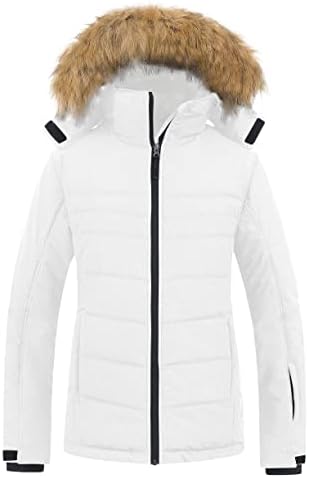
Finally, an outer layer serves as protection against Iceland’s harsh elements, including wind and rain. Waterproof and windproof jackets or shells made of materials such as Gore-Tex are recommended. Look for options that include ventilation features, which help regulate body temperature during exertion. It is also wise to invest in outer layer pants that offer similar protection, as they can shield you from the cold and wetness while exploring the stunning landscapes.
Combining these layers can greatly enhance your experience in Iceland as you remain warm, dry, and comfortable, ready to fully immerse yourself in the breathtaking scenery. Dressing appropriately not only ensures your comfort but also allows for a more enjoyable adventure, regardless of the weather conditions.
Footwear: Choosing the Right Boots for Adventure
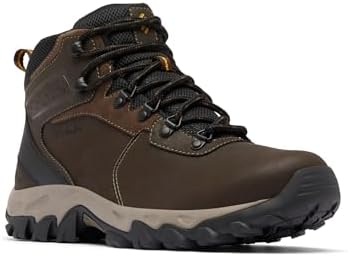
When planning an adventure in Iceland, selecting the right footwear is crucial. The island’s diverse terrain ranges from rocky landscapes to slippery glaciers, demanding reliable footwear that can withstand challenging conditions. A sturdy, waterproof pair of hiking boots is essential for ensuring both comfort and safety during your excursions.
One of the primary features to consider when choosing hiking boots is grip. Look for boots with deep treads and a rubber sole designed specifically for traction on wet and uneven surfaces. A good grip is especially important when traversing Iceland’s varied landscapes, where mud, snow, and ice can pose significant challenges.
Another critical attribute to consider is waterproofing. Given Iceland’s unpredictable weather, boots that offer effective waterproofing can keep your feet dry and warm. Many hiking boots come with built-in waterproof membranes, which provide a protective barrier against the elements while allowing moisture to escape from the inside, thereby ensuring comfort during long hikes.
Insulation is an equally important factor, particularly if you plan to explore during the colder months. Hiking boots with appropriate insulation will help maintain warmth during frigid temperatures while still providing breathability. Materials such as Thinsulate can provide the necessary warmth without adding excessive bulk.
Before your trip, it is advisable to break in your new hiking boots to avoid discomfort or blisters on your adventure. Wearing them around the house or on short walks can help your feet adjust to the footwear. This practice not only enhances comfort but also allows you to assess if the fit is correct and if any adjustments are needed.
Rain Gear: Waterproofing Your Adventure
When planning an adventure in Iceland, one cannot overlook the importance of high-quality rain gear. The unpredictable weather patterns in the region demand equipment that can effectively withstand sudden rain showers while remaining breathable and comfortable. A reliable waterproof jacket is an essential item, and features such as sealed seams and adjustable hoods can enhance its protective capabilities. Look for jackets made from materials like Gore-Tex or other advanced waterproof fabrics that offer both durability and breathability, helping you stay dry without overheating.
Additionally, the choice of waterproof pants should not be underestimated. Opt for lightweight yet robust rain pants that can easily be packed into a backpack. These trousers should also allow for ventilation and movement to ensure comfort while hiking or engaging in various outdoor activities. Some models come with zippered openings that facilitate airflow and prevent moisture buildup, which is particularly useful during strenuous physical exertion.
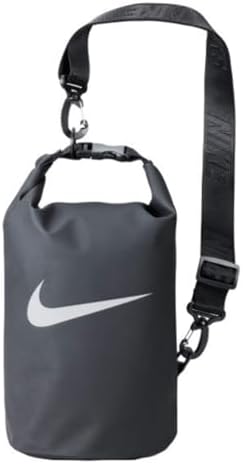
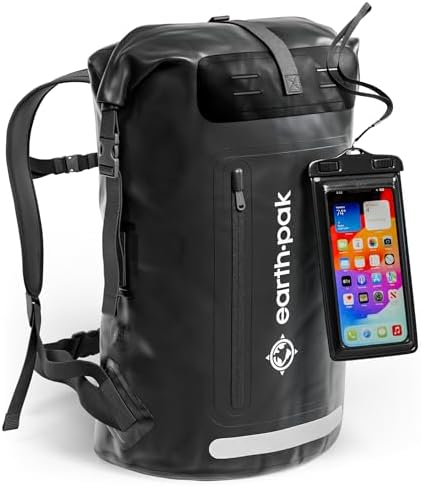
Accessorizing with waterproof bags can further safeguard your essentials from unexpected downpours. Dry bags are ideal for protecting electronics and important documents, while also being easy to carry. Consider also incorporating ponchos into your packing list, especially for quick outings or when visiting popular sites where rain might be unavoidable. Not only are they lightweight and easy to store, but they can also cover larger backpacks, ensuring both you and your gear stay dry.
Overall, investing in quality rain gear is not only a practical decision but essential for having an enjoyable journey in Iceland’s diverse landscapes. By selecting waterproof jackets, breathable pants, and versatile accessories, you can better prepare for the whims of nature and make the most of your adventure, rain or shine.
Travel Accessories: Adapters, Chargers, and More
When preparing for your trip to Iceland, equipping yourself with the right travel accessories is essential to ensure a seamless experience. One of the most important accessories on your packing list should be a power adapter. Iceland uses the standard European style Type F plug, which operates at a voltage of 230V and a frequency of 50Hz. If your devices are not compatible with this outlet type, a universal travel adapter is highly recommended. This will allow you to charge your gadgets without the concern of damaging them.
In addition to a power adapter, you may want to consider bringing a portable charger. Day trips across Iceland can be long, particularly if you plan on exploring remote areas where access to power sources may be limited. A high-capacity power bank can provide you with the extra battery life needed for your smartphone, camera, or other electronic devices. This is particularly important if you plan to document your journey or rely on your devices for navigation while traveling through the country’s stunning landscapes.
Aside from chargers and adapters, organizing your travel accessories can significantly enhance your trip. To avoid losing important items such as cables and chargers, consider utilizing packing cubes or a dedicated organizer bag. These organizational tools can facilitate quick access to your essentials, making it easier to find what you need when you need it. Keeping your accessories grouped and easy to locate also minimizes the chance of forgetting them in accommodations or transport. Ultimately, prioritizing travel accessories such as adapters, portable power sources, and organizational products will help ensure your Iceland adventure is enjoyable and worry-free.
Skincare for Cold Climates: Protecting Your Skin
Traveling to Iceland presents a unique set of challenges, particularly regarding skin care. The cold climate, combined with wind and fluctuating temperatures, can take a significant toll on skin health. To protect your skin from dryness and irritation, it is essential to employ a well-curated skincare routine and pack the right products.
First and foremost, a high-quality moisturizer is vital. Look for products that include ingredients such as hyaluronic acid, glycerin, and ceramides, which provide intensive hydration and create a protective barrier against harsh weather. Applying a rich moisturizer daily can help retain moisture, preventing dryness and flakiness.
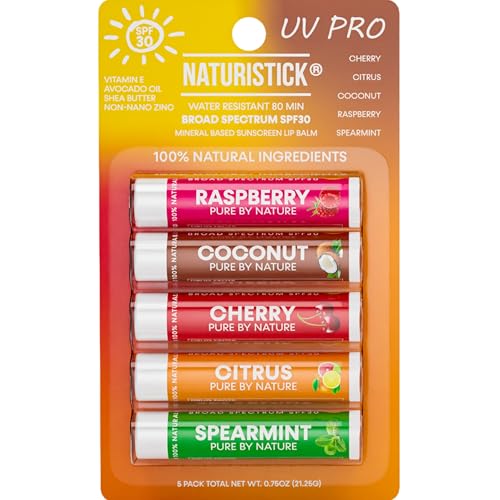
Additionally, lip balms are crucial for maintaining lip health. The cold, windy conditions can quickly lead to chapped lips; therefore, a nourishing lip balm with ingredients like beeswax or shea butter can keep your lips soft and hydrated. It is advisable to apply lip balm frequently, especially before venturing outside.
Even in cold climates, sun protection is indispensable. Ultraviolet rays can still be harmful, particularly when reflected off ice and snow. A broad-spectrum sunscreen with at least SPF 30 should be a part of your packing list, ensuring you protect your skin from harmful UV exposure throughout your adventures.
Lastly, consider bringing a gentle exfoliator and a hydrating serum as complementary products. Exfoliating once a week can help remove dead skin cells, allowing your skin to absorb moisture more effectively. A hydrating serum can provide an additional layer of moisture under your moisturizer, further combating the dry air.
In summary, prioritizing skincare is essential while packing for your Iceland trip. By carefully selecting moisturizers, lip balms, sunscreen, and other products, you can keep your skin healthy and protected against the elements.
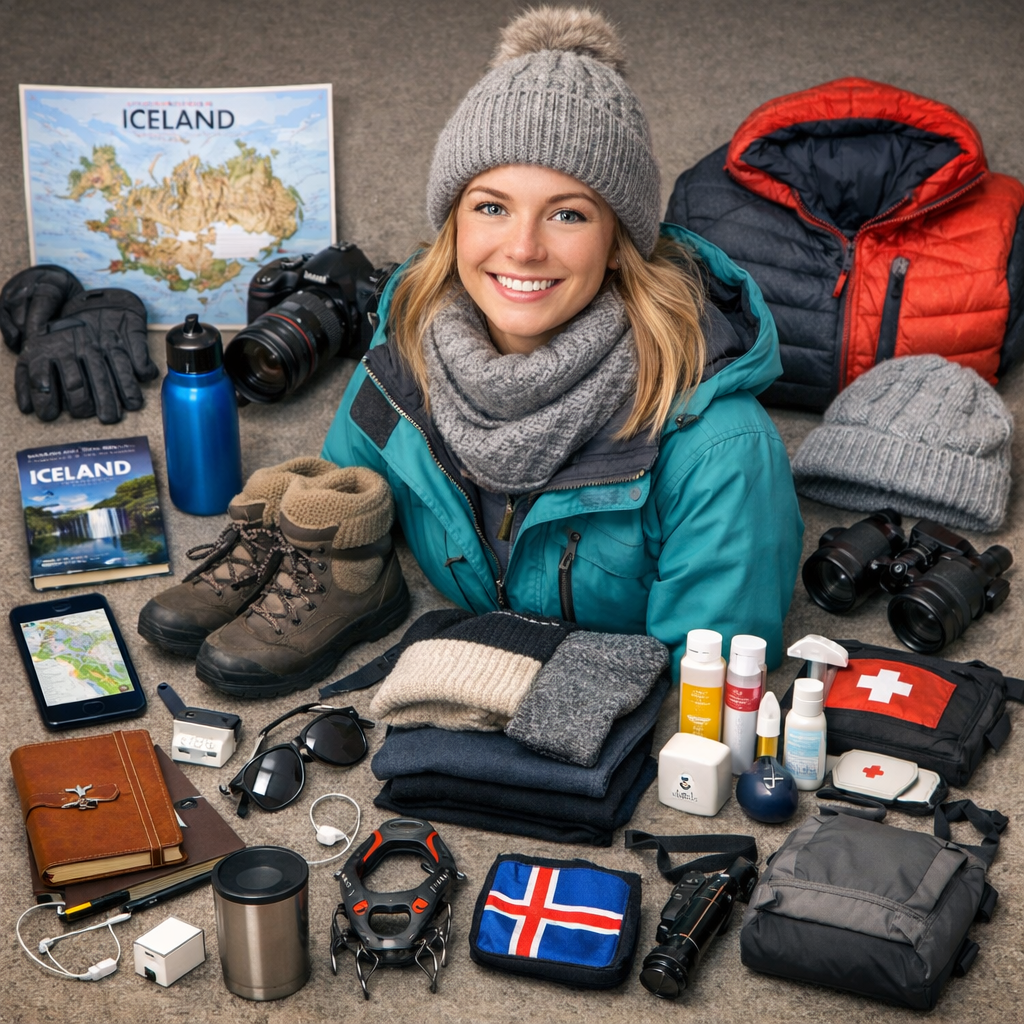
Engaging in outdoor activities in Iceland offers an unparalleled experience, but it is crucial to be equipped with the appropriate adventure gear. Whether you are planning to hike through stunning landscapes, walk on glaciers, or unwind in natural hot springs, the right equipment can enhance safety and enjoyment.
When hiking in Iceland, sturdy and lightweight trekking poles are invaluable. They provide stability on uneven terrain and help reduce strain on joints. Moreover, a daypack is essential for carrying necessary supplies such as snacks, water, and extra clothing layers. Opt for a waterproof model to protect your belongings from sudden weather changes, which are common in Iceland.
If your plans include glacier walking, specialized equipment is necessary to ensure safety and comfort. Crampons that attach to your boots will offer traction on the ice, while a harness may be required for particularly challenging routes. Additionally, wearing insulated, moisture-wicking base layers will help maintain an optimal body temperature during strenuous activity.
For visits to hot springs, swimwear and quick-drying towels are advisable. The geothermal waters provide a unique relaxation experience, but it is important to respect local customs and bathing etiquette. Remember to carry a waterproof bag to store wet items after your visit.
Moreover, safety considerations should always be a priority. Always inform someone of your itinerary, especially when venturing into remote areas, and check local weather forecasts. Wearing appropriate footwear is critical; opt for waterproof hiking boots with good ankle support to navigate diverse terrains effectively.
By ensuring you are well-prepared with the right adventure gear, you can safely immerse yourself in Iceland’s breathtaking natural beauty while minimizing risks associated with outdoor activities.
Packing Tips: How to Efficiently Organize Your Gear
Packing for an adventure, particularly to a destination like Iceland, can be challenging due to the diverse weather conditions and activities involved. To maximize the space in your luggage while ensuring easy access to your essentials, consider implementing some effective organizational strategies.
One of the most beneficial techniques is the use of packing cubes. These allow you to compartmentalize your gear based on type or activity, making it easier to locate specific items without rummaging through your entire bag. For instance, you might have one cube dedicated to base layers, another for personal items, and a third for toiletries. This method not only keeps the contents orderly but also helps you pack more efficiently.
Another strategy to consider is the age-old debate of rolling versus folding clothing. Rolling your clothes can save space and reduce wrinkles, making it a popular choice among travelers. Conversely, folding is often preferred for structured garments like jackets or blazers which maintain their shape better when neatly folded. A mixed approach might work best; use rolling for casual attire and folding for items that require more care.
Creating a detailed packing checklist is crucial in ensuring that nothing essential is forgotten. Start by categorizing items into clothing, gear, electronics, and personal items. This can further lighten your load by helping you identify any duplicative items. Be sure to consider the activities you plan to engage in, whether hiking, photographic excursions, or relaxing in geothermal pools, and pack accordingly. By organizing your gear effectively and following these simple packing tips, you can focus more on enjoying your Iceland adventure and less on the stress of packing.
Final Thoughts: Preparing for an Unforgettable Journey
Traveling to Iceland is a unique experience that promises breathtaking landscapes and diverse natural wonders. From the majestic waterfalls to the geothermal hot springs, the allure of this Nordic island is undeniable. However, the key to fully enjoying and embracing your Iceland adventure lies in meticulous preparation. Having the right gear and essentials is paramount for a comfortable experience, especially given the unpredictable weather patterns that can shift rapidly.
By adhering to the packing guide offered, adventurers can be equipped to handle anything from sudden rain showers to chilly winds. Layering clothing, selecting durable footwear, and incorporating practical accessories ensure that travelers are prepared for every nuance of Iceland’s climate. This preparation not only enhances physical comfort but also allows for greater peace of mind, allowing travelers to fully immerse themselves in the breathtaking experiences that await.
Iceland is renowned for its awe-inspiring natural beauty, rich cultural tapestry, and adventure opportunities. By approaching the journey with an open mind and readiness to embrace the unexpected, travelers can forge memorable moments that last a lifetime. Exploring the land of fire and ice provides ample opportunities for serendipitous encounters, whether it be a chance meeting with friendly locals or discovering hidden gems off the beaten path.
In a realm where nature reigns supreme, the joy of spontaneity often complements careful planning. Therefore, while ensuring you have the right essentials is crucial, do not forget to leave room for adventure and unanticipated experiences. An open heart and a flexible mindset can turn a well-prepared trip into the journey of a lifetime. So, pack your bags carefully and prepare to set forth on an unforgettable Icelandic adventure, where every moment holds the promise of wonder.

















































![[2 Pack]Small Portable Charger for iPhone 17/16/15 Series,5000mAh...](https://m.media-amazon.com/images/I/31W2b+QnUUL._AC_.jpg)