Essential Travel Documents
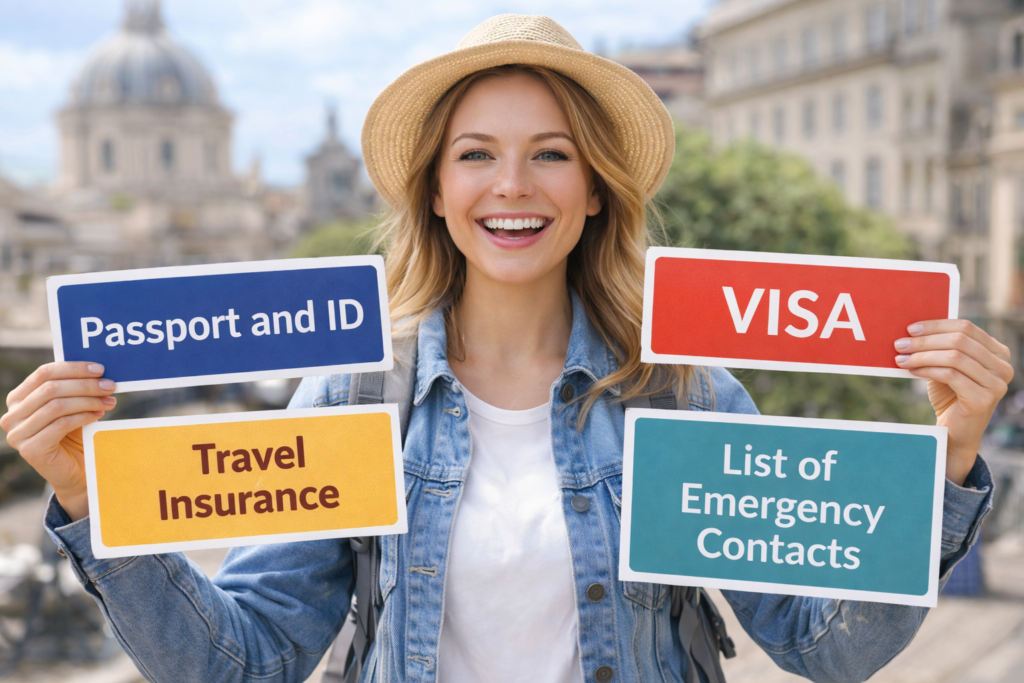
When embarking on a journey to Europe, ensuring that you have the necessary travel documents is paramount for a smooth experience. The most critical document is your passport, which should be valid for at least six months beyond your intended date of return. It is advisable to check the expiration date prior to your trip, as passport renewal can take significant time, especially during peak travel seasons.
In addition to a passport, some travelers may require a visa depending on their nationality and the countries they plan to visit. Schengen Area countries typically allow short stays for citizens of many nations without a visa, but those who do require one must apply in advance to avoid complications. Each European country may have different entry requirements, so it is essential to research the specific regulations associated with your destination.
Moreover, obtaining travel insurance is highly recommended. This form of insurance provides coverage for potential medical emergencies, trip cancellations, or loss of luggage, ensuring peace of mind throughout your journey. Review various policies to find one that suits your itinerary and personal needs.
Additionally, consider carrying forms of identification other than your passport, such as a driver’s license or a copy of your birth certificate, as some establishments may request secondary identification. To further protect your important documents, utilize secure storage options. A travel organizer or a locked pouch can be especially advantageous in safeguarding your passport, visa, and insurance papers. It is wise to keep a digital copy of your documents stored in a secure cloud service or accessible via email, facilitating quick recovery in case of loss or theft.
Packing Smart: Clothing and Accessories
Packing efficiently for a trip to Europe is essential, especially given the continent’s diverse climates and dress codes. To ensure you are prepared for various conditions, it is advisable to pack versatile clothing that can be layered. This approach not only maximizes comfort but also extends the functionality of your wardrobe. For example, a light sweater or cardigan can serve as an additional layer during cooler evenings or when visiting air-conditioned venues.



When considering clothing, opt for items that offer easy mixing and matching. Neutral colors tend to work best, as they can be easily coordinated with each other, allowing for multiple outfits without overpacking. It may be beneficial to incorporate a couple of statement pieces to add flair to your outfits without taking up much space in your luggage.
Accessories play a crucial role in enhancing comfort and style. Scarves, for instance, can be invaluable not just for warmth but also as a fashion statement. A well-chosen scarf can transform a simple outfit into something elegant. Hats can provide protection from the sun or serve as an excellent way to keep warm in colder weather. Additionally, it is wise to carry a compact umbrella or a raincoat, particularly if traveling in the spring or fall, as sudden rain showers are common in many European cities.
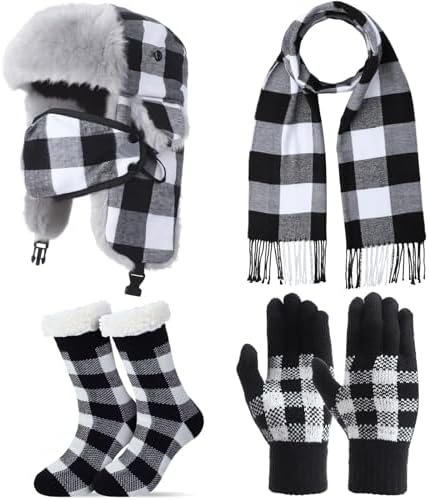



Seasonal packing tips are also vital. In summer, breathable fabrics and comfortable shoes are essential for exploring the sights without discomfort. If traveling in winter, prioritize thermal wear and insulated outerwear. Smart packing will prepare you not only for variety in weather but also for different cultural settings, where dress codes may vary significantly. This flexibility will ensure that your journey through Europe is not only memorable but also stylish and comfortable.
Comfort is Key: Choosing the Right Footwear
When planning a trip to Europe, one of the most critical preparations involves selecting the right footwear. European cities are often designed for exploration on foot, which means that travelers can expect to spend significant amounts of time walking and standing. Therefore, prioritizing comfort in footwear is essential for an enjoyable experience.
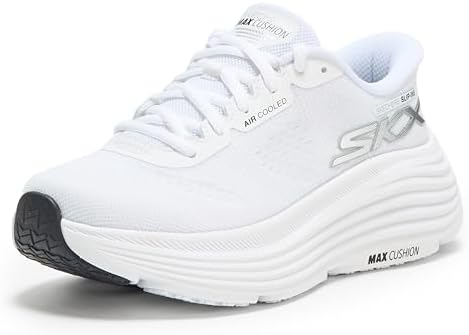
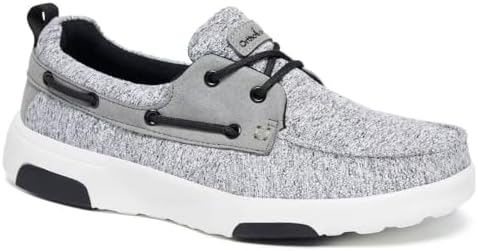
While planning your wardrobe, consider investing in high-quality walking shoes that combine both comfort and style. Look for shoes with cushioned insoles, arch support, and breathable materials to ensure maximum comfort throughout the day. Additionally, shoes that offer a good grip and stability are crucial, especially if you plan to visit cobblestone streets or uneven terrains commonly found in many historic European locations.
It is advisable to break in your chosen walking shoes before your trip. New shoes can cause discomfort and blisters, potentially spoiling your holiday experience. Start by wearing them during your daily activities, gradually increasing the duration to allow your feet to adjust. Consider wearing them for short walks or during errands to assess their comfort level. If you plan to alternate between various styles, ensure that all pairs are broken in to avoid issues during your travels.
In addition to traditional walking shoes, blend in your travels by considering chic alternatives such as stylish sneakers, loafers, or even comfortable sandals for warmer months. The key is to strike a balance between comfort and style, ensuring that you feel confident and at ease while exploring the beautiful cities and towns of Europe.


Travel Health and Safety Essentials
When planning a trip to Europe, ensuring your health and safety should be a foremost concern. One important step is to consult with your healthcare provider regarding necessary vaccinations. Certain countries in Europe may require vaccinations for specific diseases, and staying updated on general vaccines is advised. Additionally, travelers should assess their medical history to determine any personal health needs that could influence their trip.
In addition to vaccinations, it is crucial to secure comprehensive travel health insurance. This insurance should cover medical expenses abroad, including emergency medical services and evacuation if necessary. Researching various policies is vital since coverage can vary significantly between providers, ensuring that you select an option that best suits your travel plans.

Another essential health item is a basic first aid kit. This kit should include necessities such as antiseptics, band-aids, pain relief medication, and any personal prescriptions. Having access to these supplies can be crucial, especially in remote areas where medical facilities may not be readily available. Additionally, consider familiarizing yourself with the generic names of any medications you may need, as brand names can differ dramatically across countries.
Traveling can pose risks to one’s health, such as exposure to unfamiliar foods or changes in routine. Staying hydrated, maintaining a healthy diet, and engaging in regular exercise can be beneficial while abroad. Understanding local health guidelines, including food safety recommendations, is also essential to prevent potential health issues. Always have a strategy in place for accessing medical care if necessary, including knowing the location of nearby hospitals or clinics.
By taking these health and safety essentials into consideration, travelers can significantly reduce potential health risks during their European adventure, allowing them to focus on enjoying the sights and experiences that Europe has to offer.
Navigating Your Journey: Technology and Gadgets
When planning a trip to Europe, leveraging technology can substantially enhance your travel experience. First and foremost, a universal power adapter is an essential gadget to bring along. With various plug types used across European countries, a universal power adapter will ensure that your devices remain charged and operational. It’s advisable to choose an adapter compatible with multiple formats, allowing you to power your electronics without interruption.
Another indispensable item is a portable charger. The hustle of exploring new cities can quickly drain your smartphone battery, particularly if you rely on your device for navigation or capturing memorable moments. A reliable portable charger can help you stay connected, providing additional power when you need it most. Look for chargers with high capacity that can charge multiple devices simultaneously, catering to different gadgets which tend to become essential during your journey.


Additionally, utilizing helpful travel apps can significantly improve organization and navigation during your trip. Applications such as Google Maps, Citymapper, or specific transportation apps for local metro systems can facilitate efficient navigation through a new city. These apps often provide real-time updates and can be downloaded for offline use to help conserve mobile data usage. Moreover, other applications for managing itineraries like TripIt or Airbnb are excellent for planning accommodations and activities. However, be mindful of data roaming charges while abroad. Opting for a local SIM card or using Wi-Fi hotspots for internet access when possible can help keep costs down.
In summary, integrating essential technology and travel gadgets into your European adventure not only ensures your devices remain functional but also enhances your capability to navigate and plan efficiently, ultimately leading to a more memorable experience.
Managing Money: Currency and Budgeting Tips
When planning a trip to Europe, understanding currency management and budgeting is crucial for making the most of your experience. Europe is home to a diverse range of currencies, with the Euro being the predominant currency used by many countries. Before traveling, it is essential to familiarize yourself with the local currency of your destination. Researching the current exchange rates will help you evaluate how much your money will be worth once you arrive.
One of the best strategies for managing your budget while traveling is to create a daily spending plan. This involves estimating your daily expenses, including accommodation, meals, transportation, and activities. By allocating a specific amount of money for each category, you can monitor your spending and avoid overspending. Utilize budgeting apps or spreadsheets to track your expenses in real time, allowing for adjustments as necessary during your trip.
When it comes to handling money abroad, it is generally advisable to rely less on cash and embrace the use of credit cards. However, be mindful of the cards you choose to take. Look for travel-friendly banks that offer low or no foreign transaction fees. Additionally, inform your bank about your travel plans to prevent any unexpected holds on your account. Using credit cards to pay for purchases can also provide an exchange rate that might be more favorable than exchanging cash at currency exchange offices, where hidden fees are often prevalent.
To maximize your budget, consider exploring options like public transportation, which is often more affordable than taxis or rental cars. Furthermore, seek out local dining spots or markets to experience authentic cuisine without breaking the bank. By being mindful of your spending and making informed financial decisions, you can enjoy a rich and fulfilling travel experience throughout Europe.
Must-Have Travel Accessories
When planning a trip to Europe, investing in essential travel accessories can greatly enhance your travel experience. Each item serves a specific purpose aimed at maximizing convenience and comfort during your journey.
First on the list are packing cubes. These handy organizers allow travelers to compartmentalize their belongings, making it easier to find items without rummaging through a suitcase. By categorizing clothing and accessories, packing cubes not only save time but also keep your luggage tidy, which is especially beneficial when making multiple stops along your itinerary.
Another essential accessory is a reusable water bottle. Staying hydrated while exploring new cities is crucial, more so during busy travel days. A durable, insulated water bottle helps maintain your beverage’s temperature while also reducing reliance on single-use plastic bottles, making it an environmentally friendly choice. Many models are designed to fit into standard cup holders, ensuring that hydration is readily accessible during long excursions.


Travel organizers are also vital for tech-savvy travelers. These accessories help keep devices, chargers, and cables neatly arranged. By organizing electronics, you can minimize frustration and ensure that everything is easily accessible when needed. Some organizers even come with extra padding to protect valuable items from damage, emphasizing the importance of safeguarding your belongings.
Additionally, a portable charger is a must-have for anyone relying on electronics for navigation or communication. Finding power while on the go can be challenging, and having a portable charger allows you to keep devices powered without interruptions, offering peace of mind throughout your adventure.
Lastly, consider packing a lightweight travel pillow. Long journeys—whether by plane, train, or bus—can lead to discomfort. A compact travel pillow provides necessary support for your neck, enabling you to arrive at your destination feeling more refreshed.
Cultural Awareness and Language Tips
When planning a trip to Europe, cultural awareness is paramount to ensure a rewarding travel experience. Europe is a mosaic of diverse cultures, languages, and customs. Understanding these differences fosters respect and enhances interactions with locals. Each country has its unique customs and social norms, which travelers should familiarize themselves with beforehand.
One essential aspect of cultural awareness is recognizing local customs. For instance, in countries like Italy and Spain, greetings usually involve a light kiss on the cheek, while in the UK, a firm handshake is often the norm. Additionally, dining etiquette varies; in France, it is customary to keep both hands on the table (but not elbows), whereas in some Nordic countries, it might be considered polite to keep hands off the table while eating. Being mindful of such nuances can significantly enhance your travel experience.
Learning a few basic phrases in the local language can further enrich your journey. Simple greetings, such as “Bonjour” in France or “Grazie” in Italy, show respect for the local culture and often lead to more meaningful interactions. Consider phrases like “Do you speak English?” which translates to “Parlez-vous anglais?” in French or “Parla inglese?” in Italian. Having these phrases at your disposal can facilitate easier communication and help establish rapport with locals.
Moreover, some general etiquette tips include being punctual for social gatherings, tipping customs (which can greatly vary), and understanding the importance of local traditions. For example, in Germany, punctuality is regarded as a sign of respect, whereas in Mediterranean countries, a more relaxed approach to time is typical. Engaging with local customs, respecting different approaches to social interactions, and showing appreciation for the local language enriches your travel experience in Europe.
Creating a Flexible Itinerary
When planning a trip to Europe, one of the most critical aspects is creating a flexible itinerary that balances structured sightseeing with opportunities for spontaneity. A well-thought-out itinerary includes all the key attractions and experiences you wish to enjoy while allowing time for unplanned adventures and relaxation.
Begin by identifying your must-see landmarks, cultural sites, and activities in every city on your list. This creates a foundation for your itinerary. However, instead of packing your schedule tightly, leave gaps for leisure and exploration. For instance, after a day of visiting museums, consider allocating a couple of hours to wander through local markets or relax in a nearby cafe. This not only enriches your travel experience but also allows you to discover hidden gems that may not be included in typical tourist guides.
Additionally, consider utilizing various tools such as travel apps and local event calendars. These resources can highlight spontaneous events, such as street festivals or pop-up markets that could be the highlight of your trip. Furthermore, having a flexible plan is particularly beneficial in managing unpredictable factors like weather changes or unanticipated closures of attractions.
It’s equally important to balance your itinerary with downtime, especially on longer trips where fatigue can set in quickly. Incorporate rest days or lighter sightseeing days where you can recharge. This balance ensures that your trip remains enjoyable and allows you to appreciate the local culture fully without feeling rushed.
In summary, a flexible itinerary strikes a balance between organized planning and the magic of spontaneity, giving travelers the opportunity to immerse themselves fully in the rich diversity of Europe while ensuring that the key sights and activities are not overlooked.
Leave a Reply