Choosing the Right Paddle Board
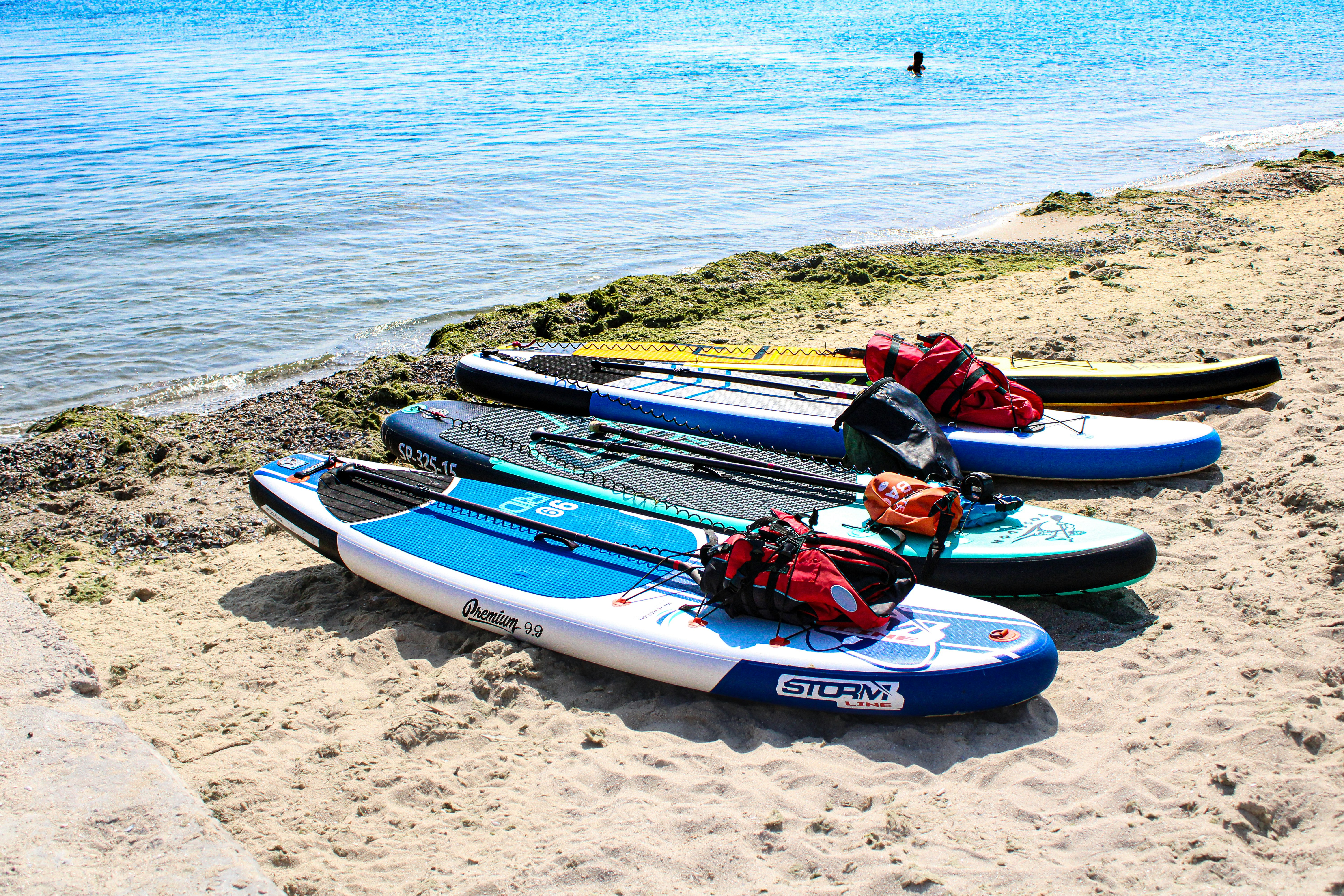
When embarking on a paddle boarding adventure, selecting the right type of paddle board is essential to ensure both safety and enjoyment. Paddle boards come in various styles, primarily categorized into three types: all-around, touring, and inflatable boards. Each type serves different purposes and caters to varying skill levels, making it crucial to choose the right option based on your specific needs.
All-around boards are incredibly versatile, suitable for beginners as well as experienced paddlers. They typically offer a balanced shape that provides stability and maneuverability, ideal for casual paddling on lakes or gentle rivers. If you plan to incorporate activities such as yoga or fishing into your paddle boarding sessions, an all-around board may be the perfect choice.

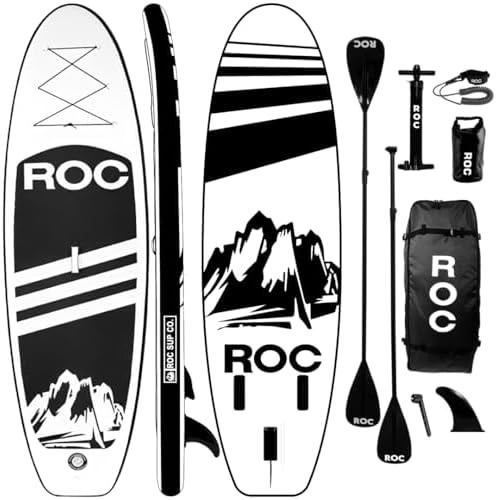

Touring boards, on the other hand, are designed for longer distances and are optimized for speed and tracking. They usually feature a narrower design to enhance glide efficiency in open water, making them ideal for those who are comfortable in various water conditions and looking to explore farther. Before choosing a touring board, it is important to consider factors such as your weight and paddling skill, as these factors influence the board’s performance.

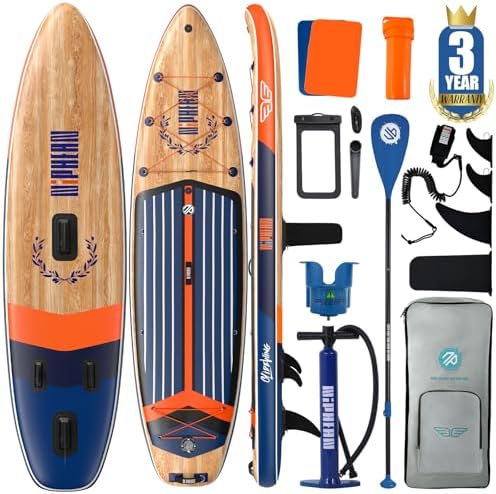


Inflatable boards offer the advantage of portability and ease of storage. Made from durable materials, they can be inflated before use and deflated for transport. Inflatable paddle boards are particularly beneficial for those with limited storage space or those who travel frequently. When considering an inflatable option, assess its construction quality as well as weight capacity to ensure it aligns with your paddling ambitions.
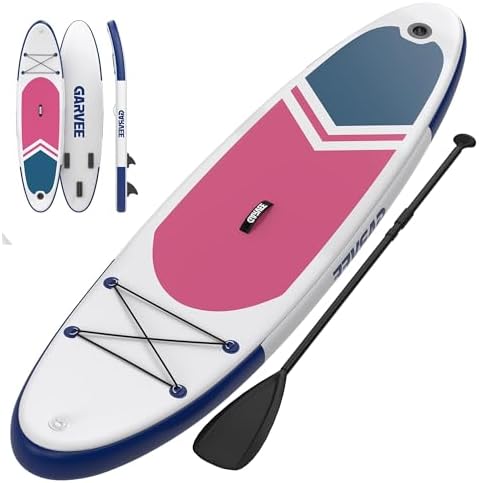
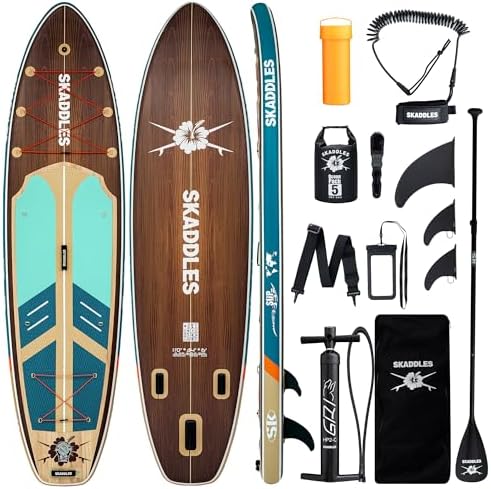

In addition to the type of board, essential features such as stability, weight capacity, and materials should not be overlooked. A stable board will provide a comfortable paddling experience, while selecting a board that matches your weight is vital for safe use. Ultimately, understanding the different paddle board types and their features will empower you to make an informed decision tailored to your specific paddle boarding adventure.
The Importance of an Adjustable Paddle
Paddle boarding, an exhilarating water sport, is made more enjoyable with the right equipment, particularly an adjustable paddle. An adjustable paddle allows paddle boarders to customize the length according to their height and paddling style, which can significantly enhance performance and comfort on the water. A properly sized paddle not only improves stroke efficiency but also helps in maintaining balance and control while navigating different water conditions.
For instance, a shorter paddle might be preferable for individuals who are sitting or using a lower paddling style, while a longer paddle can assist those who prefer a more upright stance. This adaptability caters to various paddlers’ preferences, making it an essential feature in a paddle. Furthermore, an adjustable paddle can be shared among multiple users of differing heights, which is particularly advantageous for families or groups who frequently engage in paddle boarding together.
When selecting an adjustable paddle, it’s crucial to consider the weight and materials used in its construction. Lightweight paddles made from materials like carbon fiber or fiberglass are favorable for reducing arm fatigue during longer paddling sessions. While plastic and aluminum paddles are more durable and cost-effective, they may not provide the same level of performance and comfort. Additionally, a well-constructed paddle should have a sturdy locking mechanism that allows for seamless adjustments while ensuring stability during use. By choosing a high-quality, adjustable paddle, paddle boarders can optimize their experience, making their adventures both safe and enjoyable.
Safety Gear: Personal Flotation Devices and Leashes
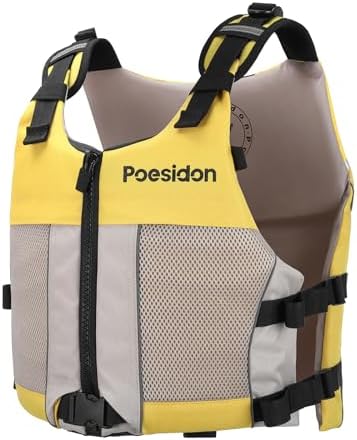
When engaging in paddle boarding, safety gear is not just an accessory, but a vital component for ensuring a secure and enjoyable experience. Among the essential safety items, personal flotation devices (PFDs) play a critical role. A PFD may be a life jacket, vest, or floatation belt specifically designed to keep the wearer buoyant in the water. While selecting a PFD, it is important to choose one that suits the type of paddle boarding you are undertaking—whether it be recreational, racing, or touring—as well as the specific water conditions. For calmer waters, a low-profile PFD might be adequate, while turbulent conditions require a more robust option.
There are several types of PFDs available, including inherently buoyant ones that use foam and inflatable models activated by a manual or automatic trigger. For paddle boarding, many individuals opt for inflatable PFDs due to their lightweight design and ease of wear. Ensuring that the PFD fits correctly is crucial, as a poorly fitting device may not provide adequate protection in the event of an emergency.

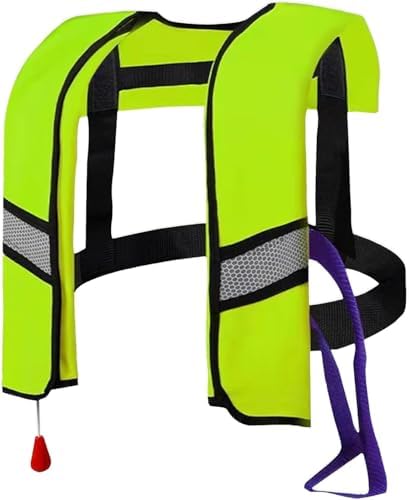




In addition to personal flotation devices, a leash is another indispensable safety item when paddle boarding. A paddle board leash connects the board to the rider, preventing the board from drifting away in the event of a fall. This is particularly important in open water where waves and currents may quickly carry the board out of reach. There are various types of leashes available, such as coiled leashes for flat water or straight leashes for surf conditions. When choosing a leash, consider the paddle boarding environment and select one that can withstand the conditions encountered.


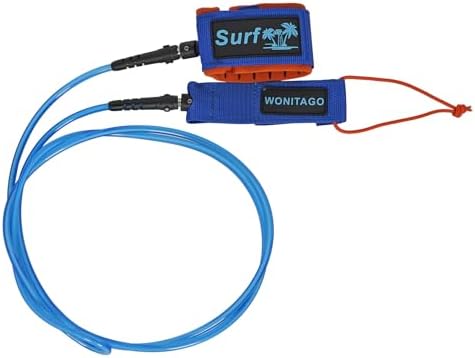
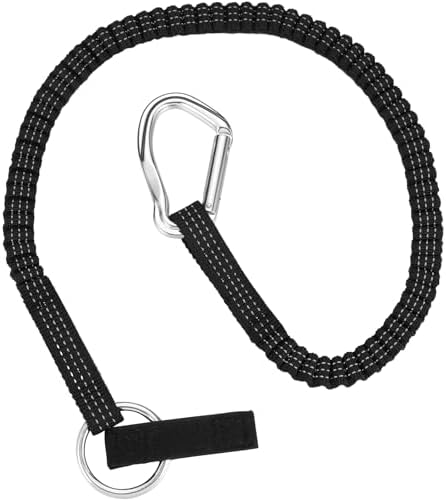

In summary, utilizing a personal flotation device and a secure leash significantly enhances paddle boarding safety. Familiarizing yourself with the various options available can ensure a thrilling experience without compromising safety.
Additional Accessories for Comfort and Protection
Paddle boarding can be an immensely enjoyable activity, but to ensure a pleasant experience, incorporating additional accessories is essential. One of the most useful items are waterproof bags designed for gear storage. These bags allow paddle boarders to keep personal belongings, such as phones, wallets, and clothing, dry and secure during the outing. Investing in quality waterproof bags will prevent damage from splashes and accidental falls into the water, ensuring that valuable items remain protected.

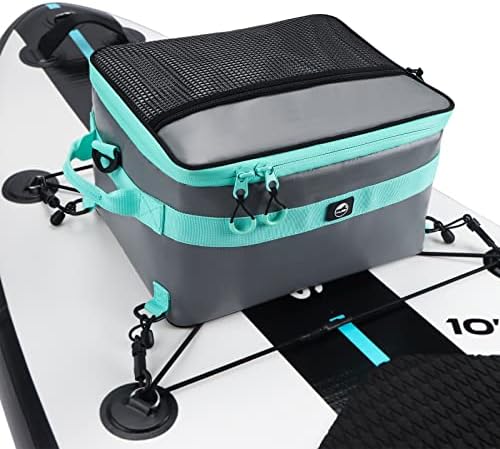


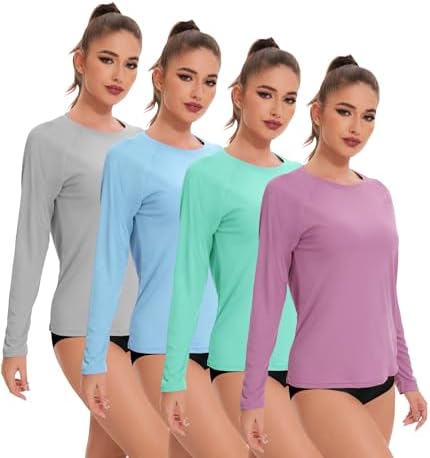
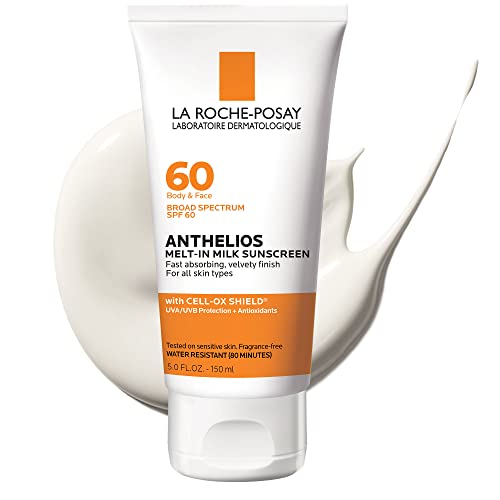
Sun protection is another vital consideration while engaging in paddle boarding. Prolonged exposure to sunlight can lead to sunburn and dehydration. It is advisable for paddle boarders to equip themselves with sun protection gear, such as a wide-brimmed hat and UV-resistant clothing. Furthermore, regularly applying broad-spectrum sunscreen with a high SPF is crucial. Choosing a water-resistant sunscreen that provides lasting protection will enhance comfort on the water and minimize the risk of sun-related health issues.



Safety accessories also play a significant role in ensuring a secure paddle boarding experience. Emergency whistles are recommended as they are lightweight, compact, and can effectively signal for help in the event of an emergency. Carrying a whistle ensures that paddle boarders can alert others or communicate with fellow paddlers in distressing situations. Additionally, having a basic first aid kit on hand can contribute greatly to addressing minor injuries or accidents that may occur while out on the water.


In summary, carefully selecting additional accessories such as waterproof bags, sun protection gear, and safety items significantly enhances the paddle boarding experience. These items not only contribute to comfort but also promote safety, allowing paddle boarders to enjoy their adventures with greater peace of mind.